

Student Tours
Learning Comes First. Food Brings It to Life. Led by Teachers.
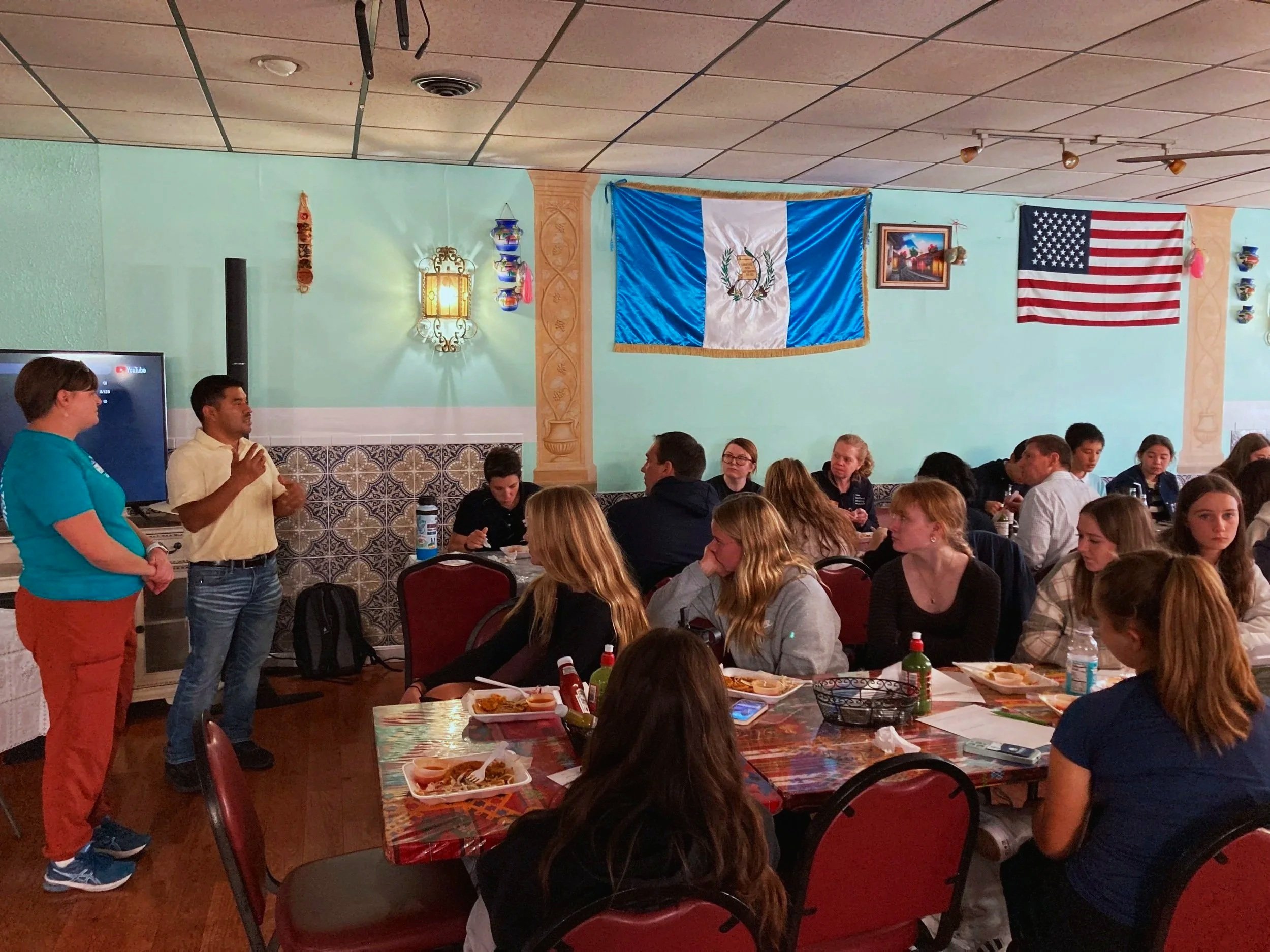
Turn the City Into Your Classroom
About the Tour
Bring your students beyond the classroom and into the streets of New Bedford through an interactive food tour that blends culture, history, and hands-on learning. Students explore the city on foot, visiting local restaurants and small businesses while discovering the stories, traditions, and communities that shape the region. Along the way, they sample a variety of foods that reflect New Bedford’s diverse heritage, turning the city itself into a living classroom.
-
A guided walking route designed for student groups
Multiple food tastings from locally owned businesses
Stories that connect food to history, culture, and place
Built-in movement to keep students engaged
Clear start and end points for easy logistics
A guide who knows how to talk to students
-
Middle school through adults.
-
immigration
local industry/whaling-era context
urban geography
entrepreneurship
cultural foodways
art
-
Flexible timing to fit within a school day.
-
We accommodate most allergies and dietary restrictions. Each tour features snack-sized portions that, when combined, are equal to a large meal.
-
1. Submit an Inquiry with your event details. Our team will get back to you with availability for your preferred date, transparent pricing, and ways we can customize the route—whether you want to focus on New Bedford’s whaling history, the local fishing industry, or our famous Portuguese culinary roots.
2. Once you’ve selected your tour package, we will send over a booking form for you to review. To officially confirm your date, we require a 50% deposit. You’ll have the flexibility to update your final student headcount up until two weeks before the tour, at which point the outstanding balance will be due.
3. One week before your tour, New Bedford Food Tours will email you a guide with everything you need: specific meeting locations (like the Whaling Museum or Custom House Square), arrival instructions, bus parking, and what students should wear for a day on the cobblestones. After that, you don't lift a finger—our team handles the logistics so your students can enjoy a fabulous, flavorful day in the city.
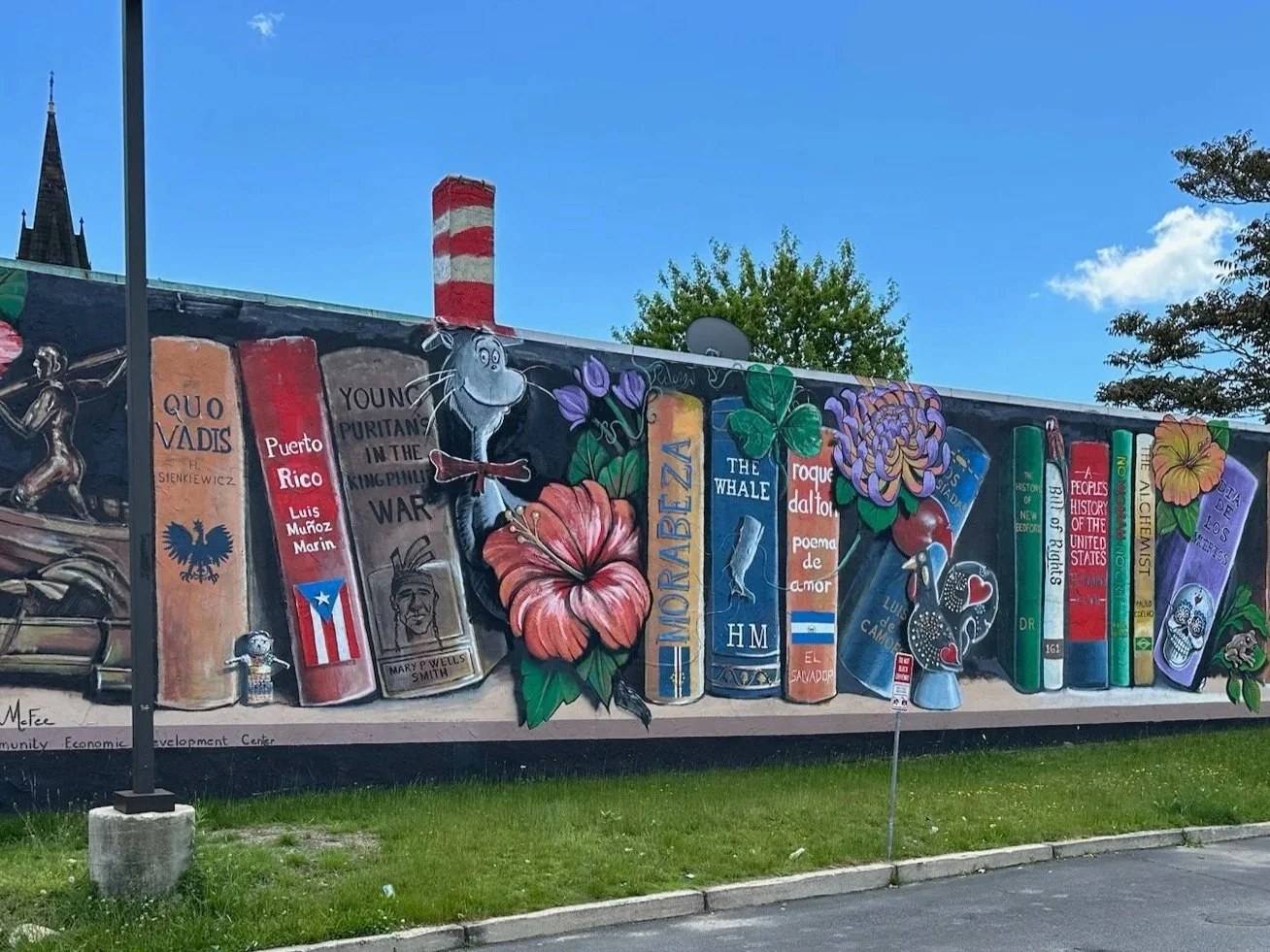
Tour Options
Downtown New Bedford
Food + History + Architecture
Walk through a National Historic Landmark district where Federal and Greek Revival buildings tell the story of New Bedford's rise as the world's wealthiest whaling port in the 19th century. Students apply art and design vocabulary to real buildings — proportion, symmetry, façade — while connecting economic booms to the built environment. The food angle opens further doors for economics classes exploring supply chains, local business ecosystems, and how tourism revitalizes post-industrial cities, making this a rich, multi-disciplinary experience in one of America's most storied downtowns.
New Bedford North End
Immigrant Communities + Global Flavors
The North End is where waves of immigrants — Portuguese, Cape Verdean, French Canadian, and more — settled near the textile mills and shaped New Bedford's identity, making it a powerful setting for units on industrialization, labor history, and the Underground Railroad. Today the neighborhood is predominantly Spanish-speaking, giving Spanish language students authentic, real-world cultural context beyond the classroom, while civics and sociology classes can explore themes of community, belonging, and identity. Food here is more than a meal — it's a living record of who built this city.
Fall River
A Taste of Portugal
Fall River and the surrounding SouthCoast became home to one of the largest Portuguese immigrant communities in America, drawn by whaling and textile jobs in the 19th and early 20th centuries. Students examine how immigrant groups maintain language, religion, food traditions, and community identity across generations — seeing Portuguese living on in storefronts, menus, and local institutions. A natural complement to Portuguese language programs and geography units on diaspora and migration, this tour is a compelling, real-world case study in what it means to be American.
Let’s Get Started!
Fill out the form below and we will get in contact with you within 24 hours.
Praise for Student Tours
“New Bedford Food Tours is a central partner for Tabor Academy's Tabor & the SouthCoast program, which is designed to promote connection between people and places within our extended community. Through the Taste of the North End tour, we can better understand the neighborhood’s rich history of immigration and forward-looking embrace of its international identity. We don’t just learn about diaspora communities from The Azores, Cabo Verde, or Guatemala; we learn with and from neighbors and new friends by breaking bread and hearing their stories. As a school that is committed to promoting a local-global education, Tabor's programming with New Bedford Food Tours has proven to be an excellent catalyst for deep intercultural learning.”
Jonathan Sirois
Director of Global Education; Spanish Teacher
Tabor Academy
"I was looking for an experience that would help students see new possibilities within the food industry, connecting familiar experiences to entrepreneurship and cultural exploration. Pam took the time to understand our students’ interests and designed an exceptional, engaging, and inspiring experience.”